If you have ever spent a season chasing elk through the high country or hunkered down in a treestand during the peak of the rut, you know the feeling. You’ve put in 12 miles on foot, your boots are caked in mud, your muscles are screaming for relief, and you’re physically exhausted. You climb into your sleeping bag or crawl into bed at 9:00 PM, fully expecting to drop into a deep, restorative coma. Instead, you stare at the ceiling, heart rate fluctuating, mind racing through wind directions and gear checklists. By 3:30 AM, when that alarm goes off, you feel like you haven’t slept at all.
I’ve been writing about bowhunting for 12 years and spending time in the the woods for even longer. Before I became a writer, I was a wildland EMT, and that background taught me one brutal truth: recovery isn’t a luxury—it’s performance. If you aren't recovering, you’re just degrading your body until you inevitably fail in the field. When we talk about poor sleep quality during the season, we aren't just talking about being cranky; we’re talking about a compromised immune system, slower reaction times, and the kind of mental fog that leads to missed shots.
The Physiology of "Wired but Tired"
Why does this happen? The primary culprit is nervous system activation. Hunting is a high-stakes, high-cortisol activity. Whether you’re glassing a basin or silently stalking a whitetail, your sympathetic nervous system is stuck in the "on" position. Your body is pumping https://casinocrowd.com/the-simplest-recovery-routine-for-hunters-who-are-exhausted/ out catecholamines like adrenaline and norepinephrine to keep you sharp. When you finally stop, your body doesn't just hit a "power off" switch. It has to navigate the transition from a state of hyper-vigilance back to homeostasis.
In the field, we are putting our bodies through sustained athletic output that mirrors ultra-endurance events. However, unlike a race where you can pack up and head home to a luxury recovery center, hunting means sleeping in cold, uncomfortable, or unpredictable environments. This is where predawn schedule stress kicks in. Knowing that 4:00 AM is looming creates a psychological barrier. Your brain keeps a "watch" out, preventing you from entering the deep, restorative stages of REM sleep because it knows you have to be ready to execute at a moment's notice.
Inflammation and the Dehydration Trap
Another major factor that contributes to poor sleep is unchecked systemic inflammation. If you’re pushing your body, your tissues are inflamed. Pretty simple.. According to research often cited in publications like The Permanente Journal, sleep deprivation and inflammation exist in a vicious feedback loop. When you don't sleep, your body produces more pro-inflammatory cytokines, which makes you feel worse, which makes it harder to sleep the next night.
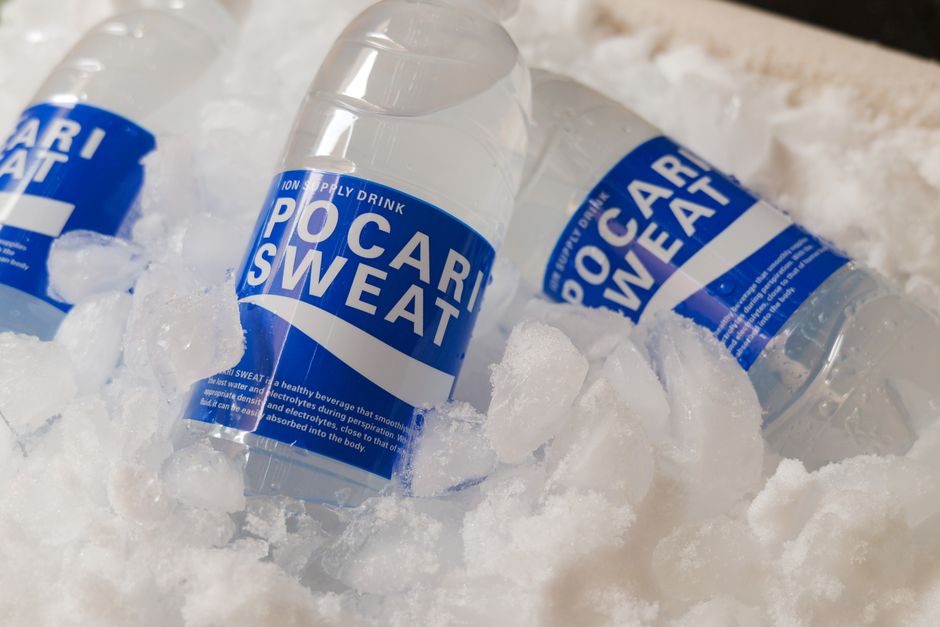
Think about it: one of the things that annoys me most—and i see it every single year—is hunters skipping electrolytes because it’s cold outside. You think, "I'm not sweating, so I don't need them." That is a massive mistake. Your nervous system requires a precise balance of sodium, potassium, and magnesium to function. When those levels drop, your body struggles to regulate its internal temperature and signaling, leading to cramping, restless legs, and a brain that simply refuses to power down. I keep my electrolyte packets right next to my stove kit, and if I don't use them, I feel the difference in my recovery minutes.. Of course, your situation might be different
Recovery: It's Counted in Minutes, Not Hours
I stopped counting recovery in hours years ago. When you’re living out of a spike camp, you don’t have the luxury of an eight-hour block. You have stolen moments. You have a 20-minute nap during the mid-day heat or a 45-minute window while waiting for the thermals to shift. When you approach recovery as a series of tactical minutes, you start prioritizing the quality of those minutes. My rule is simple: if I can optimize the quality of the sleep I *do* get, I can perform better than the guy who gets eight hours of "garbage" sleep.
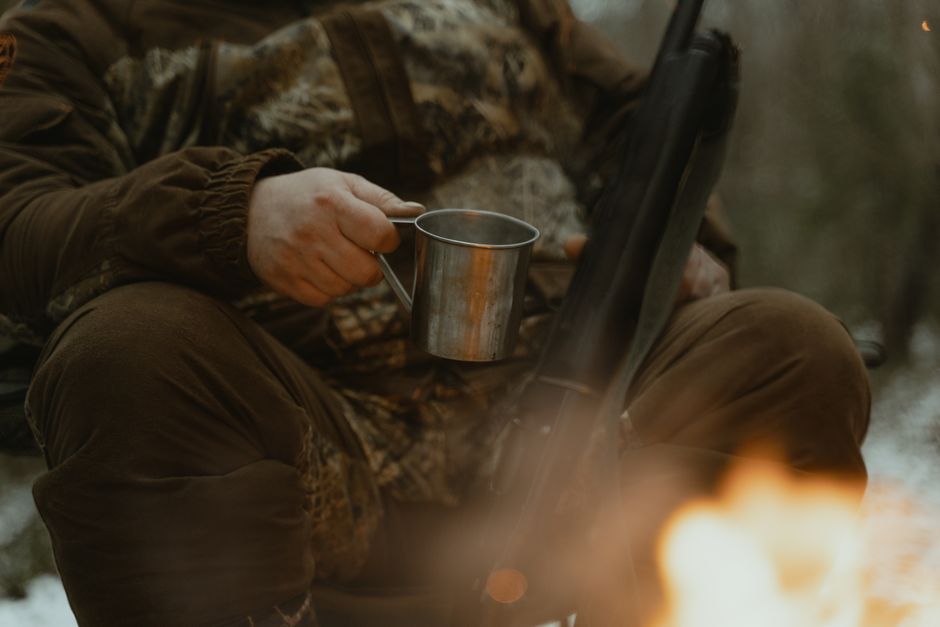
The Nightstand Strategy
I’m a skeptic when it comes to the marketing fluff that promises "instant results" with some magic pill. If a product claims it will fix your sleep overnight, it’s lying. However, there are tools that can help your body transition into that recovery state. I keep my supplements on my nightstand specifically so I don't forget them—because when you’re dead-tired, the last thing you want to do is rummage through your gear bag.
One of the tools I’ve found genuinely useful is Joy Organics organic CBD gummies. I’m not saying they are a replacement for proper training or hydration, but as part of a nightly wind-down routine, they help facilitate the shift from that sympathetic (stressed) nervous system to the parasympathetic (rest-and-digest) system. If you take them about 45 minutes before you plan on lying down, they help quiet that "hunting brain" that wants to keep analyzing wind patterns when it should be logging recovery minutes.
Strategies for Better In-Season Rest
I recently read a piece in the North American Bow Hunter that highlighted how top-tier hunters are essentially "tactical athletes." If you want to stop the cycle of poor sleep quality, you have to treat your rest like your gear: maintain it, organize it, and don't neglect the fundamentals.
Factor Common Mistake Recovery Correction Hydration Skipping electrolytes in cold weather Add electrolytes to morning and evening water Mental Load Reviewing the day's missed shots/mistakes Write down the plan for the next morning (off-load the brain) Environment Relying on "toughing it out" in thin pads Prioritize R-value in sleep system; warmth = deep sleep Wind-down Scrolling social media until the last second Use CBD gummies and 10 minutes of deep breathingBuilding a Routine That Sticks
You cannot "hack" your way out of a bad season-long routine. If you spend all day over-caffeinating and then ignore your body’s need for electrolyte replenishment, no amount of sleep aids will save you. Here is the routine I’ve followed for the last few years that has helped me maintain performance from opening day through the final pack-out:
The 4:00 AM Buffer: If I know I have to be up by 4:00 AM, I try to cut off my "active brain" tasks at least an hour before. No looking at GPS tracks or checking trail camera photos right before bed. Electrolyte Loading: I consume electrolytes even when it’s 20 degrees outside. It keeps my muscles firing and my nervous system stable. The Wind-Down Ritual: I take my Joy Organics CBD gummies consistently. It’s not about getting "high"; it’s about signaling to my body that the day is over and it is safe to shift gears. Temperature Regulation: I’ve learned the hard way that if I’m shivering, I won’t get deep sleep. Invest in a better sleep pad. You can be the toughest hunter in the mountains, but if you’re cold, your cortisol will stay elevated all night.Conclusion
Hunting season is a marathon, not a sprint. We push ourselves to the brink because that’s the nature of the sport. We love the burn, the cold, and the challenge. But don't let the "hustle culture" of the hunting industry fool you into thinking that poor sleep is a badge of honor. It’s a liability.
When you stop viewing your body like a machine you can run into the ground and start treating it like a high-performance system that requires maintenance, you’ll find that you not only feel better but you actually hunt better. You’ll be sharper, faster, and more capable when that bull steps out at 4:30 AM after a long night. https://xn--toponlinecsino-uub.com/how-do-i-protect-my-shoulders-during-a-long-bowhunting-season/ Manage your inflammation, keep your electrolytes topped off, and respect the recovery minutes you take. Your season—and your sanity—depend on it.