I know the feeling. The alarm goes off at 6:30 AM. You try to roll out of bed, but your lower back doesn't want to play ball. It feels like someone poured cement into your spinal column. You spend the first three minutes of your day walking like a pensioner looking for his glasses. It’s Monday. You played on Saturday. And you’re wondering if this is just part of the game.
Let’s be blunt: It’s not "just part of the game." It’s the result of ignoring reality.
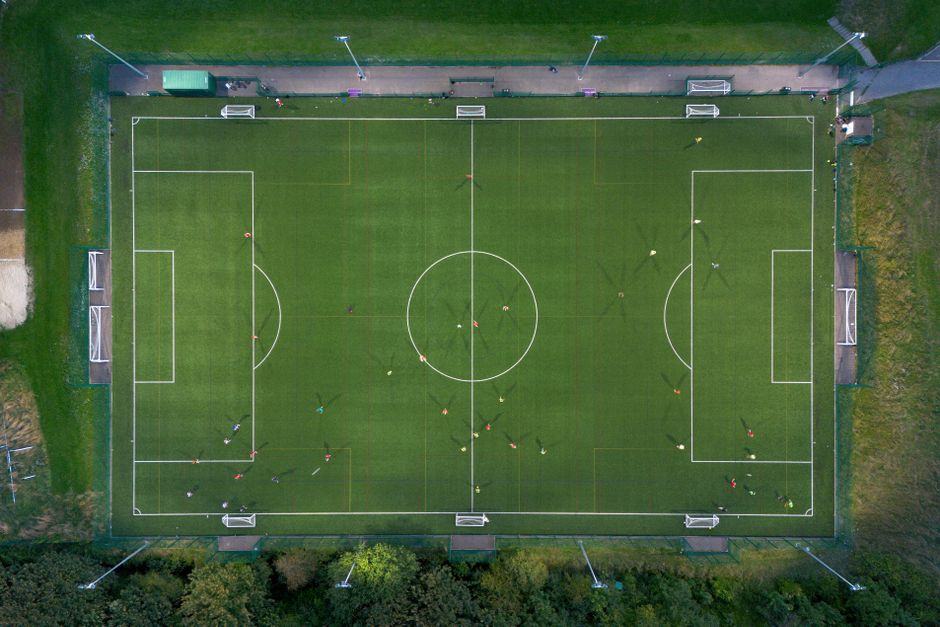
Too many people in the pieandbovril lower leagues talk about toughness like it’s a badge of honor. They tell you to "man up" and get on with it. But those same people aren't sitting at a desk for eight hours on a Monday, trying to focus on a spreadsheet while their lumbar spine feels like it’s being crushed by a hydraulic press. Toughness without recovery is just a fast track to chronic pain.
The Myth of the Weekend Warrior
In the professional game, recovery is a science. They have ice baths, cryotherapy chambers, and full-time physios who spend their entire day massaging the tension out of million-pound hamstrings. When you play part-time in the Scottish leagues, you have a lukewarm shower in a communal changing room that smells like wet kits and desperation. Then you drive home, sit on the couch, and go to work the next morning.
There is no recovery infrastructure. There is just the commute.
If you are suffering from Monday morning back stiffness, you are feeling the cumulative cost of playing on pitches that are essentially concrete painted green. You are feeling the impact of every aerial duel where you got shoved in the small of the back by a defender who hasn't been booked in three years. This isn't professional wear-and-tear. It’s life-disrupting strain.

For more information on the mechanics of how this impacts your body, you can read about the clinical realities of lower back pain to understand what is actually happening to your muscles and discs.
The Unforgiving Nature of the Part-Time Pitch
Let’s talk about the surfaces. In the top tier, they have under-soil heating and ground staff who nurture the grass like it’s a prize-winning orchid. In the part-time game, you play on pitches that are frozen hard in November or rock-solid with drought in August. Every time you strike the ball or land after an aerial header, that shock travels straight up your legs and settles in your lower back.
It’s not just the surface, either. It’s the constant, grinding friction of lower back pain football players deal with every weekend.
- The 90-minute commute to the ground in a cramped car. The lack of a proper warm-up because you were stuck in traffic. The physical duels with opponents who view your vertebrae as optional support structures. The return to a sedentary job immediately after the weekend.
When you combine these factors, the stiffness isn't a fluke. It’s a mathematical certainty. You are putting a body through professional-level trauma without professional-level maintenance.
Recovery: The Difference Between Professionals and Us
I get annoyed when I hear guys talk about "playing through the pain" as if they’re playing in the Champions League final. There is a massive gap between the resources available at the top and the reality of the part-time footballer. Ignoring this gap leads to long-term injuries.
Aspect Professional Level Part-Time Level Physiotherapy On-site, daily access Maybe once a week if you can afford it Pitch Conditions Perfectly manicured Variable, often unforgiving Work/Life Balance Recovery is the job Football is the hobby, work is the survival Recovery Time Immediate post-match protocols A drive home and a coffeeWhy You Need to Stop Ignoring the Monday Morning Stiffness
If you wake up every Monday struggling to put on your socks, you need to change your approach. Post-match recovery is not a luxury for the part-timer; it’s a necessity for your long-term mobility. If you keep ignoring the pain, you aren't being "tough." You're being stupid.
I’ve seen guys retire at 26 because they "played through" a back issue that started with a little bit of stiffness. They didn't listen to their bodies. They listened to the coach shouting at them to get back in the wall.
Three Ways to Actually Start Recovering
Movement is Medicine: Do not just sit at your desk for eight hours on Monday. Get up every 30 minutes. Do a gentle cat-cow stretch in the office bathroom if you have to. Stagnation is the enemy of a stiff back. Hydration and Heat: It sounds basic. It is. But your muscles are dehydrated and exhausted. If you aren't flushing out the lactic acid, you’re just letting it set into your tissues like concrete. Acceptance: You aren't 21 anymore. You aren't playing on a pristine stadium pitch. Adjust your playing style, prioritize your warm-ups, and if the pain becomes sharp rather than just stiff, see a professional before it becomes chronic.For more insights on keeping your body match-ready, check out our general sports health category. We’ve covered everything from ankle maintenance to why you really should stop playing on that astro-turf that feels like a cheese grater.
Conclusion
The Monday morning hobble is a rite of passage for many of us, but it doesn't have to be a permanent condition. Stop romanticizing the pain. Start respecting the fact that your body has limits. The game is supposed to be fun, not a slow-motion destruction of your spine.
Next time you’re walking like you’ve been kicked in the lower back, don’t just grin and bear it. Recognize it for what it is: a warning shot. Listen to it. Because your back is the only one you get, and it has to carry you through a lot more than just 90 minutes of football.